

Branding 101: The Brand Gap, Explained

BrandingED™ | Field Notes
A practical glossary of branding terms, creative strategy, and the questions worth asking before you design.
Let’s talk about branding. Not just the logos, color palettes, and beautifully designed business cards, but the bigger picture.
If you’ve ever hired a designer, worked with a marketing agency, or attempted to explain what makes your business different, you’ve probably encountered a collection of terms that sound important but aren’t always particularly clear.
Brand strategy. Positioning. Identity. Touchpoints. Brand equity.
What does it all mean? And more importantly, what does it mean for your business?
Welcome to BrandingED™, a little education in the business of being recognizable, relevant, and unmistakably you.
We’re starting with a glossary, but not the kind that requires a marketing degree to understand.
Consider this your field guide to the language of branding, and a starting point for understanding the gap between what you think your business is communicating and what your customers actually experience.
On This Page
First, What Is the Brand Gap?
The brand gap is the disconnect between how a business intends to present itself and how its audience actually perceives or experiences it.
Imagine a company that prides itself on personalized, premium service. Its website looks dated, its marketing materials are inconsistent, and its signage doesn’t reflect the quality of its work.
The business may be exceptional. But the experience surrounding it tells a different story.
That’s a brand gap.
Sometimes the gap is visual. Sometimes it’s verbal, operational, or experiential. Often, it’s a combination.
The goal isn’t to make every business look more expensive, more contemporary, or more like its competitors.
It’s to make sure the experience matches the promise.
And that brings us to a few terms worth knowing.
The BrandingED™ Glossary
Brand
What it means: The collective perception people have of a business, organization, product, or individual.
Your brand is shaped by what you say, what you do, what you make, and how people experience all of it.
Why it matters: You can influence your brand, but you don’t control every impression. Customers participate in defining it.
Branding
What it means: The intentional process of shaping how a business is recognized, understood, and remembered.
Branding involves strategy, communication, identity, and experience.
Why it matters: Branding isn’t a one-time design project. It’s an ongoing practice of making intentional choices.
Brand Identity
What it means: The recognizable elements used to represent a brand, including its name, logo, colors, typography, imagery, and other visual or verbal characteristics.
Why it matters: A well-developed identity helps people recognize your business across different applications and environments.
Visual Identity System
What it means: A coordinated collection of design elements and guidelines that work together to create a consistent visual language.
Think beyond the logo: typography, color, photography, illustration, layouts, and graphic treatments.
Why it matters: A logo alone cannot solve every communication challenge. A visual system gives a brand the flexibility to work across a website, packaging, advertising, publications, and signage.
Brand Strategy
What it means: The thinking and planning that guide how a brand presents itself and connects with its intended audience.
It may address purpose, positioning, differentiation, audience needs, personality, and long-term goals.
Why it matters: Strategy helps establish what design needs to accomplish before decisions are made about how it should look.
Brand Positioning
What it means: The distinct place a business aims to occupy in the minds of its intended customers relative to available alternatives.
Why it matters: Positioning helps answer a fundamental business question: Why should someone choose you?
Value Proposition
What it means: A clear explanation of the value a business offers, whom it serves, and why that offering is relevant or different.
Why it matters: Customers need to understand what you do and why it matters to them, not simply how enthusiastic you are about doing it.
Target Audience
What it means: The people or organizations a business most wants to reach and serve.
An audience can be defined by needs, behaviors, interests, circumstances, and other relevant characteristics.
Why it matters: Effective communication begins with understanding who you’re talking to.
Brand Differentiation
What it means: The meaningful characteristics that distinguish a business from its competitors.
Differentiation might come from expertise, service, product quality, philosophy, experience, or a combination.
Why it matters: Looking different is not necessarily the same as offering something different.
Brand Voice
What it means: The recognizable personality expressed through a brand’s written and spoken communication.
A voice might be warm, authoritative, playful, direct, sophisticated, or conversational.
Why it matters: Consistency in language is just as important as consistency in design.
Brand Messaging
What it means: The key ideas, statements, and information a business communicates about its purpose, offerings, and value.
Why it matters: Even beautifully designed marketing can fall short when the message is unclear.
Brand Touchpoints
What it means: The moments and places where people encounter or interact with a brand.
Your website, packaging, social media, storefront, business card, customer service, and even an invoice are all potential touchpoints.
Why it matters: Every interaction contributes to the overall impression of your business.
Customer Experience
What it means: The overall experience someone has while discovering, evaluating, purchasing from, or interacting with a business.
Why it matters: A beautiful brand identity can’t compensate indefinitely for a confusing or frustrating customer experience.
Brand Consistency
What it means: Maintaining recognizable and coherent brand elements across communications and experiences.
Why it matters: Consistency makes a business easier to recognize and understand. It doesn’t mean every application must look identical.
Brand Guidelines
What it means: A reference document explaining how to use a brand’s identity and communication elements.
Guidelines may include logo usage, typography, colors, imagery, layouts, and messaging principles.
Why it matters: They help employees, vendors, and creative partners work from the same visual playbook.
Brand Equity
What it means: The value associated with a brand’s reputation, recognition, relationships, and customer perceptions.
Why it matters: A trusted and recognizable brand can influence preference, loyalty, and business value over time.
Rebranding
What it means: A deliberate change to how a business is positioned, identified, or presented.
A rebrand might involve strategic changes, visual changes, or both.
Why it matters: Not every business needs a complete rebrand. Sometimes the more appropriate solution is to refine, extend, or better implement the identity it already has.
Brand Refresh
What it means: A focused update to selected brand elements without fundamentally changing the brand’s identity or positioning.
Why it matters: A refresh can improve consistency, usability, or contemporary relevance while preserving established recognition.
Creative Direction
What it means: The leadership and decision-making that establish and maintain a cohesive creative vision across a project or campaign.
Why it matters: When multiple designers, photographers, writers, printers, and vendors are involved, creative direction helps keep the work connected.
Art Direction
What it means: The development and guidance of a project’s visual expression, including composition, imagery, typography, photography, and stylistic decisions.
Why it matters: Art direction ensures that individual visual elements work together to communicate the intended message.
Brand Applications
What it means: The ways an identity system is used in the real world, from business cards and websites to packaging, vehicle wraps, signage, and publications.
Why it matters: A successful identity must work beyond the original presentation. It needs to function wherever the business needs to communicate.

Frequently Asked Questions About Branding
Is a logo the same thing as a brand?
No. A logo is one component of a visual identity, and a visual identity is one part of a brand.
Think of the logo as a recognizable signature. The brand is the larger reputation and experience associated with it.
What’s the difference between branding and marketing?
Branding establishes how a business is understood, recognized, and differentiated.
Marketing involves the activities used to communicate offerings, reach audiences, generate interest, and encourage action.
They work together. Branding provides direction and coherence, while marketing brings the message to people.
Does a small business really need brand strategy?
Yes, although the process doesn’t need to be complicated.
Even a one-person business benefits from understanding its audience, value proposition, differentiation, and communication priorities.
A clear strategy can be documented in a few thoughtful pages. The value comes from making informed decisions, not producing a massive presentation.
Do I need a new logo or a complete rebrand?
Not necessarily.
Start by identifying what’s actually causing the problem.
Is your logo difficult to reproduce? Are your marketing materials inconsistent? Has your business changed significantly? Are customers confused about what you offer?
A brand audit can help determine whether you need a visual refresh, a more complete identity system, or a strategic repositioning.
Sometimes the best solution is to make better use of what you already have.
What’s included in a brand identity package?
A comprehensive brand identity package typically includes an original logo and a coordinated visual system.
At Creative Well Design, our brand identity work begins with original logo development and extends into supporting elements such as typography, color, imagery direction, and foundational brand applications.
The exact deliverables depend on the scope of the project.
What if I already have a logo I like?
That’s a perfectly reasonable place to begin.
You may not need a new identity. You may need to evaluate your existing assets, establish guidelines, and develop the supporting visual language that helps everything work together.
This is one reason we’re developing our Build Your Brand Guide Builder, a practical resource for businesses looking to understand and organize their existing brand assets.
How do I know if my business has a brand gap?
Start with a few questions:
- Does our visual identity reflect the quality and character of our business?
- Can customers quickly understand what we offer and why it matters?
- Do our website, marketing materials, signage, and customer communications feel connected?
- Are we presenting ourselves consistently across different platforms?
- Does the experience customers receive match the promises we make?
If the answers are inconsistent, you’ve identified a useful place to investigate.
How much should a business invest in branding?
There isn’t one universal number.
The appropriate investment depends on business goals, scope, complexity, existing assets, and the number of applications required.
A startup developing its first identity has different needs from an established organization coordinating publications, websites, events, and marketing campaigns.
The important question is not simply how much branding costs, but what the business needs the work to accomplish.
How long does a branding project take?
A focused identity project may take several weeks, while a comprehensive engagement involving strategy, multiple stakeholders, applications, and production may take considerably longer.
Discovery, feedback, revisions, approvals, and production requirements all affect the schedule.
Clear expectations and timely decisions make the process more efficient.
What should I prepare before contacting a designer or creative agency?
You don’t need to arrive with all the answers.
It helps to understand what prompted the project, what isn’t working, who you’re trying to reach, your anticipated timeline, and any available budget.
Bring examples of what you like, but also be prepared to explain why you like them.
The most useful starting point is a clear description of the problem, not a predetermined visual solution.
A Little Less Jargon. A Lot More Clarity.
The purpose of learning branding terminology isn’t to become fluent in agency-speak.
It’s to make better decisions about your business.
Understanding the difference between a logo and a brand, a refresh and a rebrand, or a visual identity and a brand strategy can change the questions you ask, the work you commission, and the way you evaluate the results.
And perhaps most importantly, it can help you recognize the gap between what you intend to communicate and what people actually experience.
That’s where the interesting work begins.
Keep Exploring
See branding in practice.
Explore our multidisciplinary design portfolio.
Explore the Portfolio
More thoughts from the studio.
Read articles about branding, design, and the creative process.
Read Field Notes
Continue the conversation.
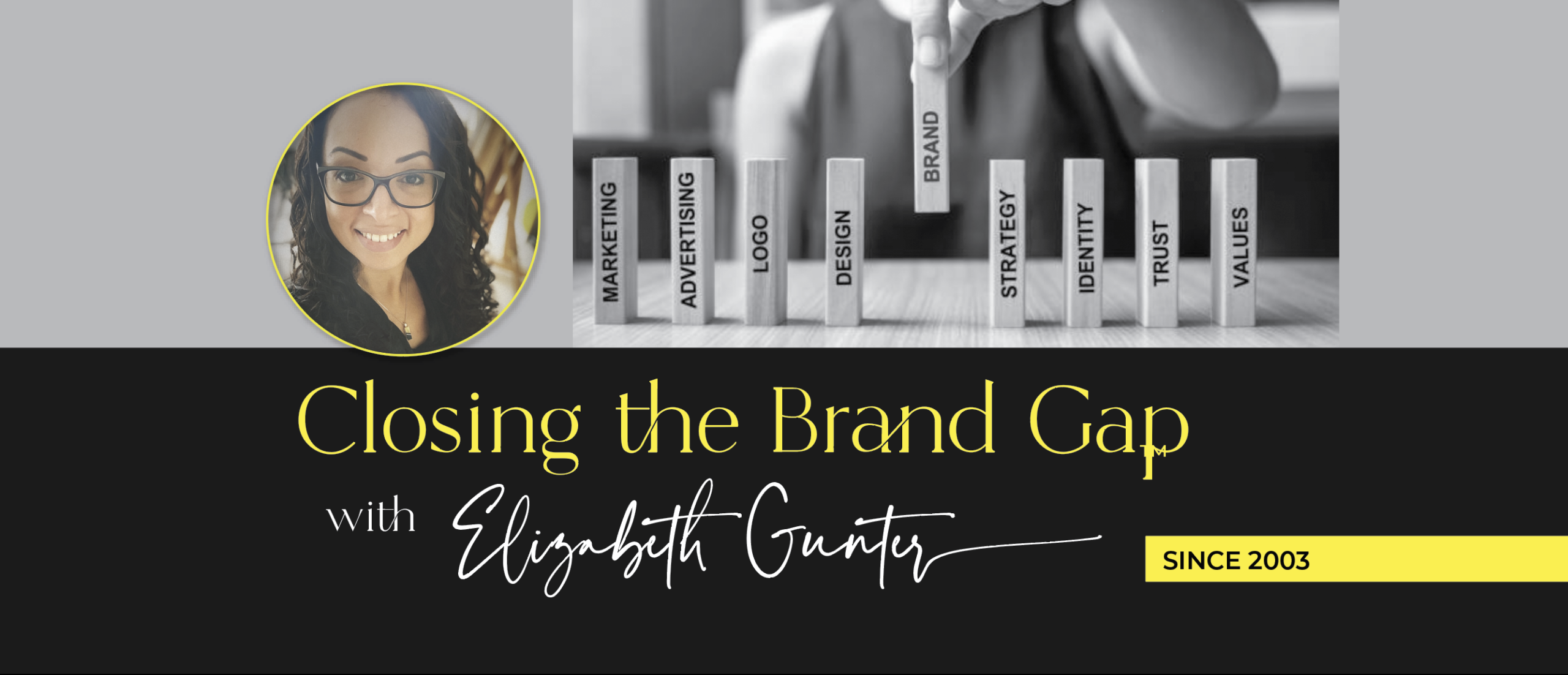
Listen to Closing the Brand Gap, our podcast about branding and business communication.
Closing the Brand Gap Podcast
Serious play. Thoughtful design. Better questions.
Creative Well Design